Your cart is currently empty!
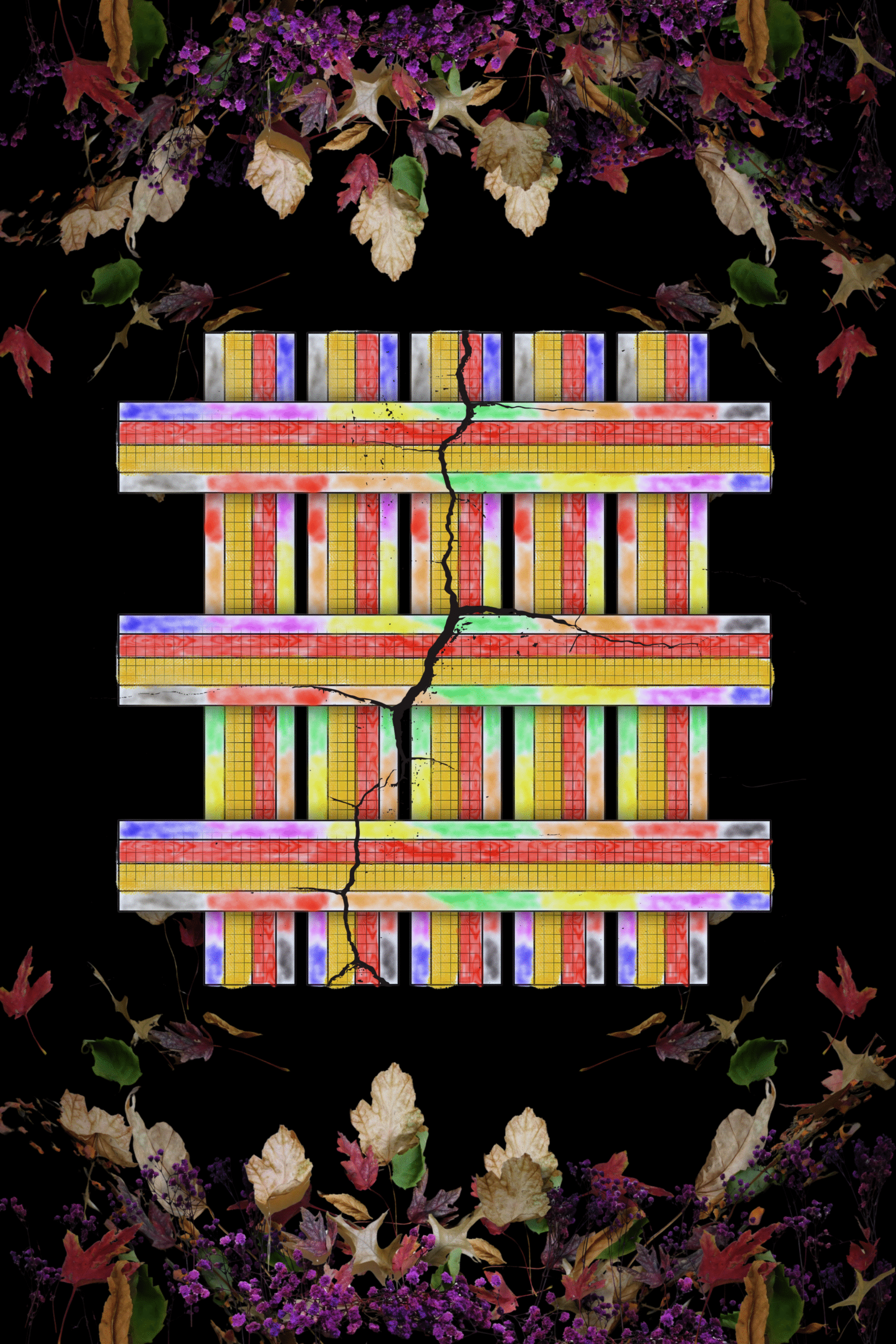
THAVO: Housing There and Here
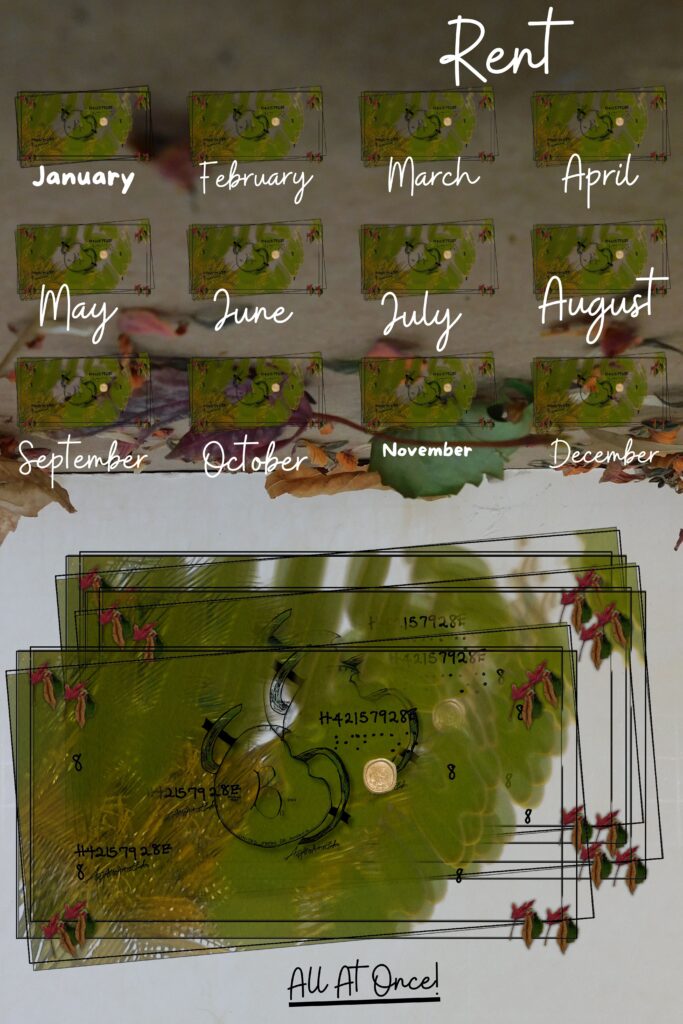
Monthly vs Annual Rent
THERE
It is common for landlords to require tenants to pay rent as a lump sum, often a full year or even two years in advance. This can place a heavy financial burden on renters, making housing inaccessible to many who cannot afford such large upfront payments. It creates a system where only those with significant savings can secure decent accommodation, while others are left with limited or less secure options.
HERE
Monthly rent payments are the norm, allowing tenants to manage their finances more effectively. Instead of requiring a massive sum all at once, tenants pay rent at the beginning of each month, making housing more accessible and manageable. This monthly system aligns more closely with how most people earn and spend money, regularly and incrementally.
The same principle applies to homeownership. In many countries THERE, if you cannot buy a house outright, you are often discouraged from owning one at all. Meanwhile, HERE, mortgages and monthly payments make homeownership a realistic goal for more people.
Whether renting or owning, monthly payments create room for financial planning, flexibility, and broader access to stable housing.
Wood vs Bricks
THERE
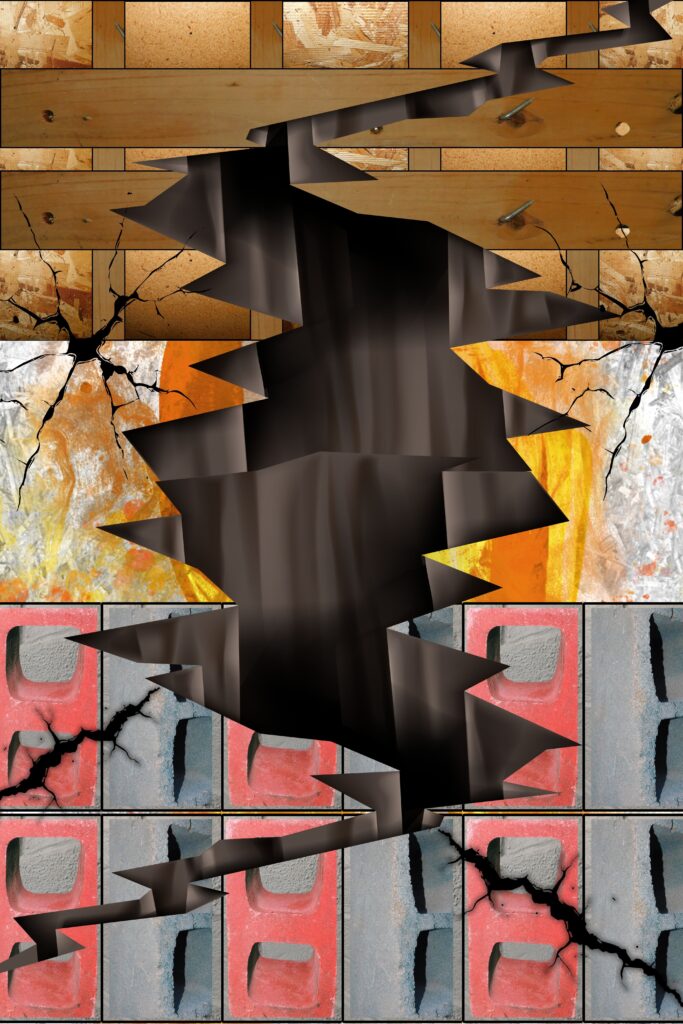
Back home, houses are built with solid bricks and concrete—strong, enduring materials. As kids, we would crack coconuts open against those walls. It often took several tries, not because we feared damaging the wall, but because we did not want the coconut to break into too many pieces. The walls were strong, firm, and built to last for generations.
HERE
The landscape is different. Most homes are made of wood, a material chosen for its affordability and the ease with which it can be used to construct homes. Wooden structures are especially common in areas that experience earthquakes. In such situations, being trapped under wood is far less dangerous than being crushed under heavy concrete or brick. The flexibility and lighter weight of wood offer a kind of safety that solid masonry cannot.
However, wood comes with its own risks. In the event of a fire, a wooden house can be quickly consumed if the flames are not managed on time. Worse still, fire can spread rapidly to neighboring homes, especially in tightly built communities. While wood offers economic and practical advantages, it also calls for careful safety measures, especially when it comes to fire prevention and response.
Fruit Trees vs Trees
THERE
Back home, trees are often fruit-bearing and part of daily life. You can pluck ripe mangoes, guavas, or oranges right from your backyard, a neighbor’s compound, or even a tree by the roadside on your way home from school. These trees support a lively ecosystem—bright flowers, butterflies, buzzing pollinators, and even the occasional snail crawling through the undergrowth.
Around each tree, smaller plants and shrubs often sprout up naturally, creating a rich, tangled patch of life. Nature is abundant, messy, and full of surprises.
HERE
Trees tend to be more ornamental. Many are male, non-fruit-bearing varieties planted for their shade, shape, or seasonal color. They grow tall and stately, often standing alone on manicured lawns or lining clean streets. These trees are neat and orderly, blending well into their surroundings but offering less in terms of daily interaction or biodiversity.
There may be more trees in Lincoln than in some parts of our cities back home, but the experience with nature is quite different. While both environments have their charm, there is something deeply personal and nourishing about growing up around trees that not only provide shade but also bear fruit—literal and metaphorical—for everyday life.

Variations Styles and Colors
HERE
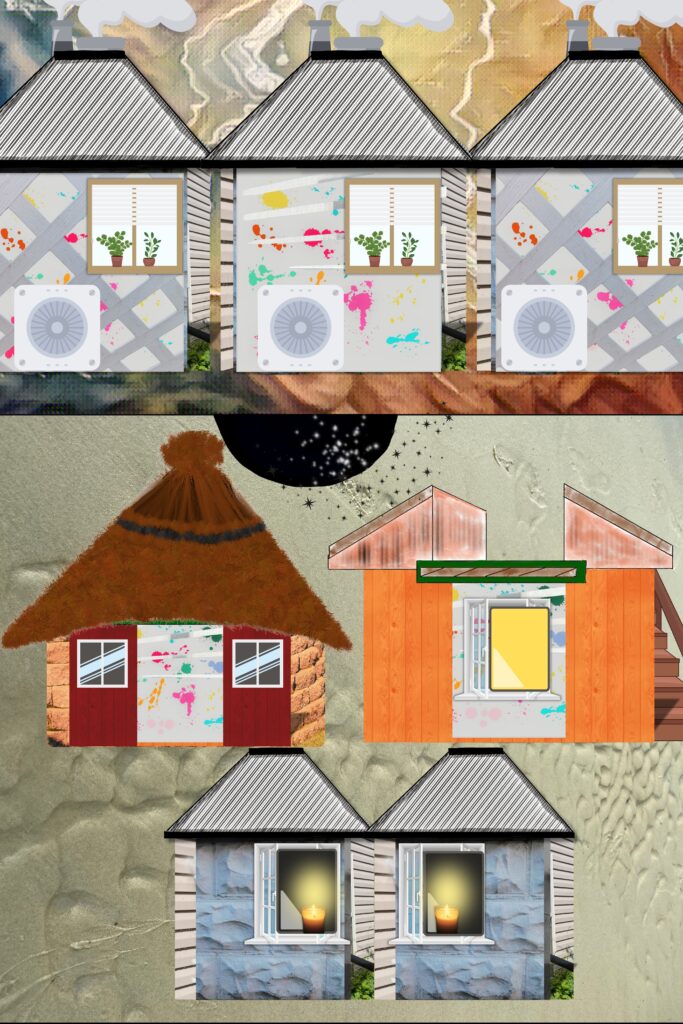
In Lincoln, many houses—especially apartment complexes—tend to look alike. They often follow a uniform structure and are painted in similar monochromatic tones. This architectural consistency gives neighborhoods a clean, organized look, but also a certain sameness. The buildings blend into each other, and the layout often prioritizes function over character. Ventilation is another key difference. In Lincoln, tightly sealed windows and controlled indoor environments often disconnect residents from the natural world. It is easy to go an entire day without knowing whether the sun is shining, or rain is falling.
THERE
Housing is far more eclectic. Homes come in all shapes, sizes, colors, and materials. It is not unusual to see a tall, modern building right next to a low, rustic home, each reflecting the personality or economic status of its owner. The streets are alive with architectural diversity. Life flows with nature. With windows open, you can watch the sunset and know it is time to turn on the porch lights. You can smell the coming rain and rush out to bring in clothes drying on the line. That closeness to the elements is more than convenience, it is a rhythm of life that shapes daily experience.
Living in and Over the Fence
THERE
Our fences back home are high… very high. They come with very tall gates, and those gates are locked with heavy padlocks. Some fences are topped with barbed wire or lined with shards of broken bottles, clearly reflecting how seriously we take security. In apartment buildings, it is the landlord’s duty to provide these protective measures, but tenants often go a step further to ensure their safety. Security is not just a concern; it is a way of life.
HERE
The contrast is striking. Fences are low, usually placed at the back of the house, and they serve more aesthetic or boundary-setting purposes than security. You can walk right up to most homes without encountering a single barrier until you reach the front door. With such openness, you might expect more spontaneous neighborly interactions—but that is not always the case.
Ironically, back home, even with our towering fences and locked gates, neighborly connections are alive and well. The people next door often become like family. You live through the layers of gates, walls, and locks, yet the human connection remains strong. Here, where physical openness is the norm, emotional and social closeness can sometimes feel like the missing piece.
Straight from the Tap?
THERE
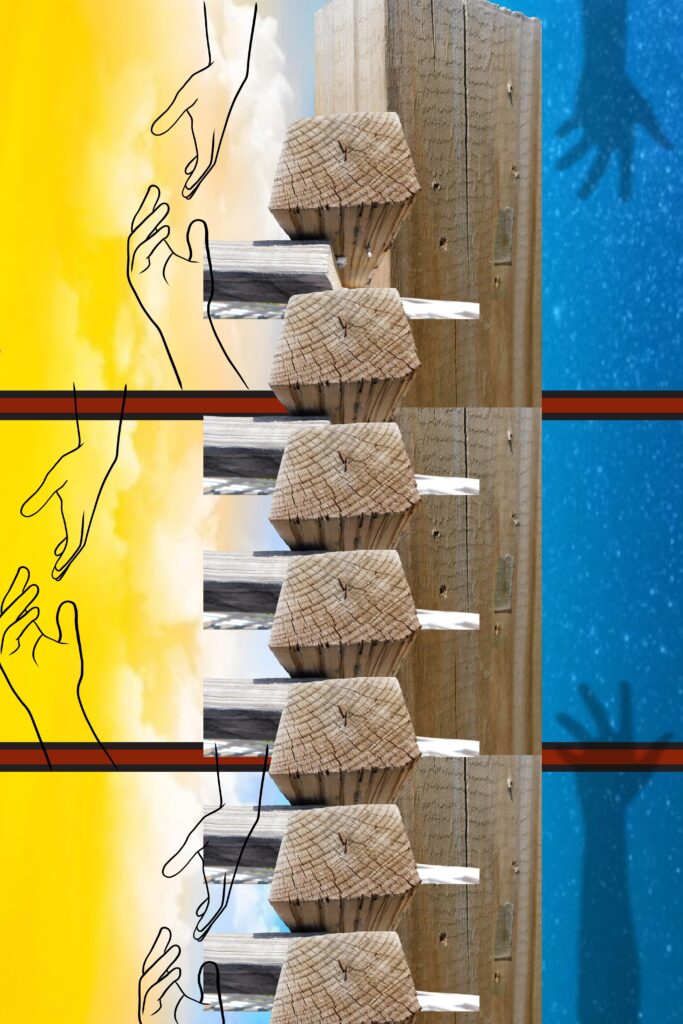
Back home, drinking water directly from the tap was something we avoided. The recommendation—the culture, the norm—was clear: boil the water first, let it cool, then drink. It was a routine born out of necessity, shaped by concerns about water safety and quality.
HERE
Without a moment’s hesitation, water straight from the tap is drunk. This is a testament to the efforts put into ensuring houses are getting potable water, and the trust most people have in those efforts.
Even in a place where tap water is considered safe, for many of us from THERE, drinking it straight from the faucet still feels just a little bit strange.

Housing Discrimination
HERE
Discrimination tends to be based on race or ethnicity, financial status, or having a disability. A prospective tenant may be turned away because of the color of their skin, the zip code on their application, or the perception that accommodating their needs would be an inconvenience.
THERE
The dynamics shift, though the effects are just as real. Discrimination may be rooted in tribe, religion, or gender, especially for unmarried women seeking to live alone. A landlord might deny housing to someone not because they cannot pay, but because they come from a different ethnic group or because their lifestyle does not align with cultural expectations.
Despite these differences, the patterns often overlap. Whether here or there, the same people—those seen as “different” or “less than”—tend to bear the brunt of these prejudices. The basis may change, but the impact remains the same: restricted access, fewer choices, and the sense of being judged before even stepping through the door.
Housing discrimination exists on both sides, but the reasons behind it often differ. Ultimately, housing discrimination reflects deeper social inequalities, different contexts, same underlying struggles.
Communal vs Individualistic Living
THERE
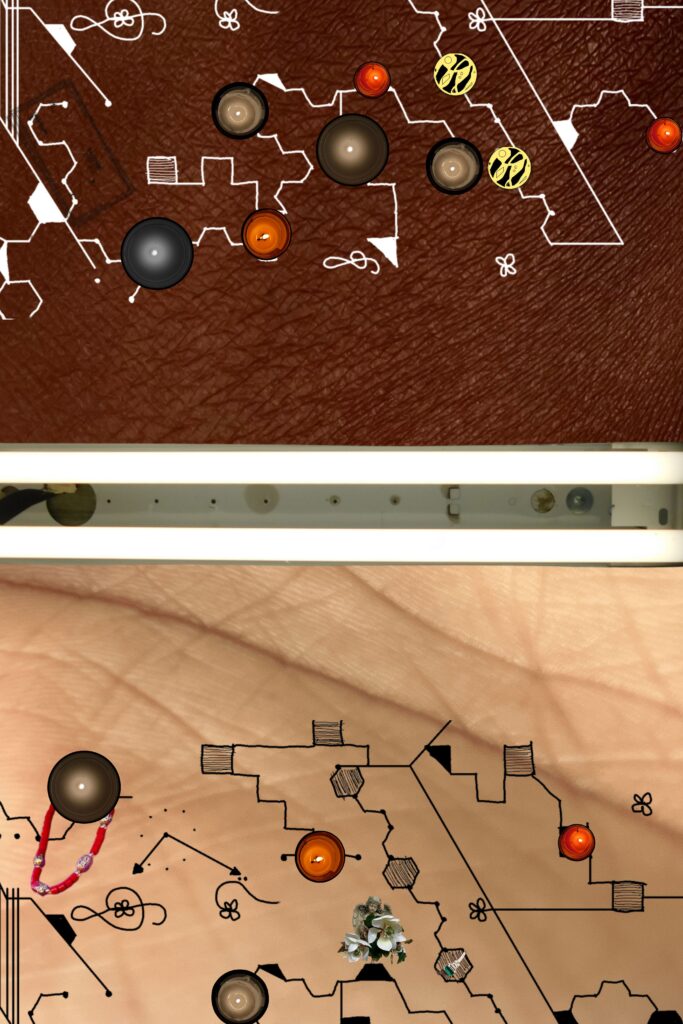
Housing back home is deeply rooted in communal living. Sharing is woven into the fabric of everyday life, especially when it comes to food. Even if you live alone, it is almost certain that you will feed others and be fed in return. A fruit tree in your yard is often assumed to be a community tree, unless clearly stated otherwise. If you have a farm or a garden, your harvest is naturally expected to be shared with neighbors and friends.
In multi-unit apartments, chores are shared as well. While everyone is responsible for their own unit, there is a strong expectation to contribute, either through hands-on work or financially, to the maintenance of shared spaces. It is a collective effort, driven by a sense of togetherness and mutual responsibility.
HERE
Housing takes on a more individualistic character. Even in large apartment complexes, people often live in proximity but with little connection to each other. Shared spaces like hallways, lawns, or laundry rooms are maintained by building managers or hired staff, removing the need for residents to contribute directly.
This structured independence offers convenience, but it also limits opportunities for community bonding. The contrast highlights not just different housing systems, but diverse ways of living—with others, or simply around them.
Basements vs Base
THERE
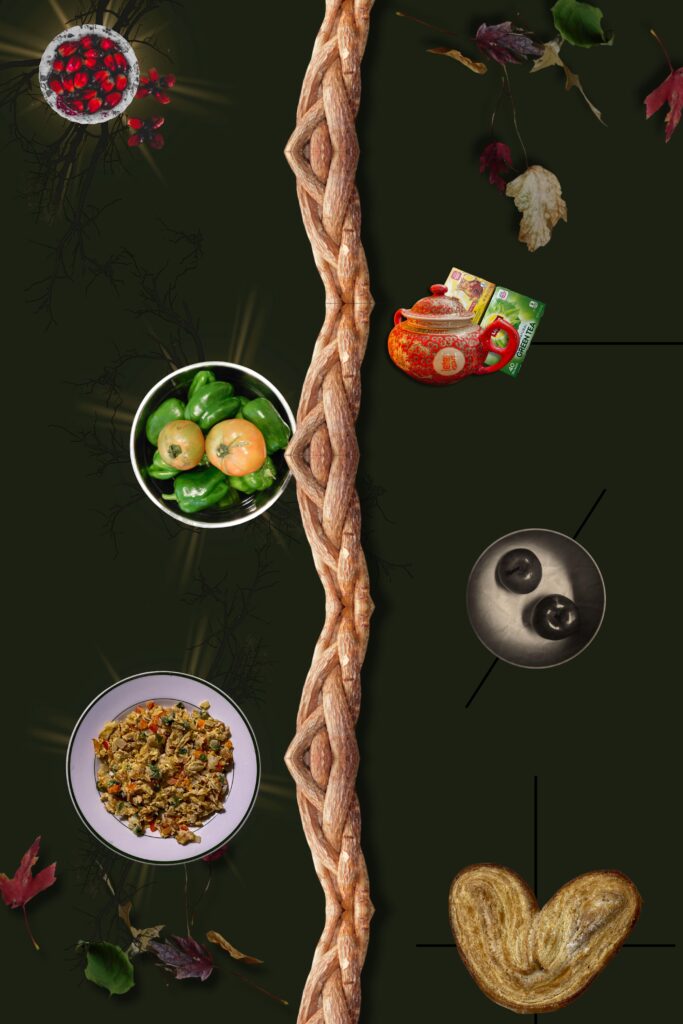
Basements are a rarity back home. When extra space is needed, the instinct is to build upward, adding more floors above ground rather than digging below it. Whether for reasons related to soil, water levels, cost, or simply tradition, underground construction is uncommon. The focus tends to be on maximizing vertical space where it is visible and accessible.
HERE
Basements are a standard feature in many homes. This is due to the need to dig below the frost line for structural stability in colder climates. Since the foundation must go that deep anyway, it makes practical and economic sense to use the space.
Basements here serve many purposes. Some are fully finished and transformed into living rooms, offices, or guest suites. Others remain unfinished, serving as storage areas, utility rooms, or housing for heating and cooling systems. Whether functional or lived-in, the basement is often an integral part of the home.
The contrast reflects not just construction practices, but different relationships with space—above ground, below ground, and how homes are adapted to meet both environmental and cultural needs.
THAVO
THERE AND HERE
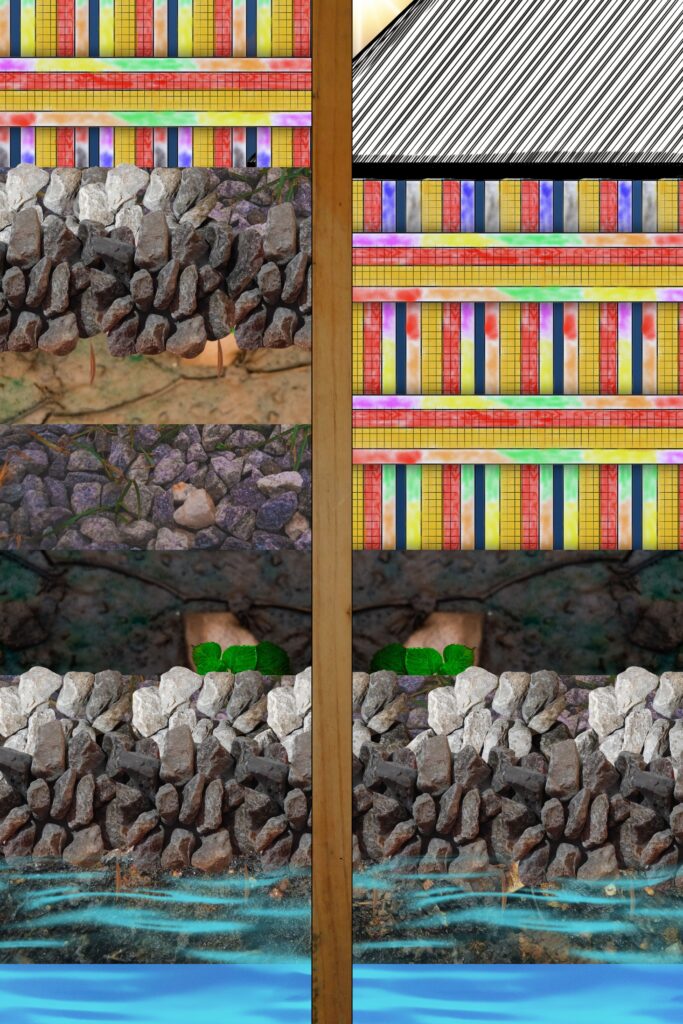
Housing, both here and there, embodies a balance of beauty, chaos, and the potential for growth and improvement. Whether through the vibrant, diverse homes back home or the neat, structured apartments here, each space has its own charm and room for change.
We do not need to sacrifice uniqueness for organization. There is space for both individuality and structure. Personal freedom in housing should not come at the cost of community connection, and vice versa. Independence and interdependence can coexist in harmony, enriching the living experience for all.
No one should face discrimination in securing a place to live. Housing, at its core, is about shelter, security, and the right to rest. The process of finding a home should be inclusive and welcoming, no matter a person’s race, gender, background, or status. Everyone deserves a space where they can feel safe, valued, and free from judgment.
In the end, our living spaces; whether humble or grand, shared or private, reflect who we are. They should be places of growth where all people can thrive, regardless of where they come from or where they are going.
Comments
2 responses to “THAVO: Housing There and Here”
-
idspjh
-
jifpwwnppxsuzwtdqvojgruksqolwm


Leave a Reply